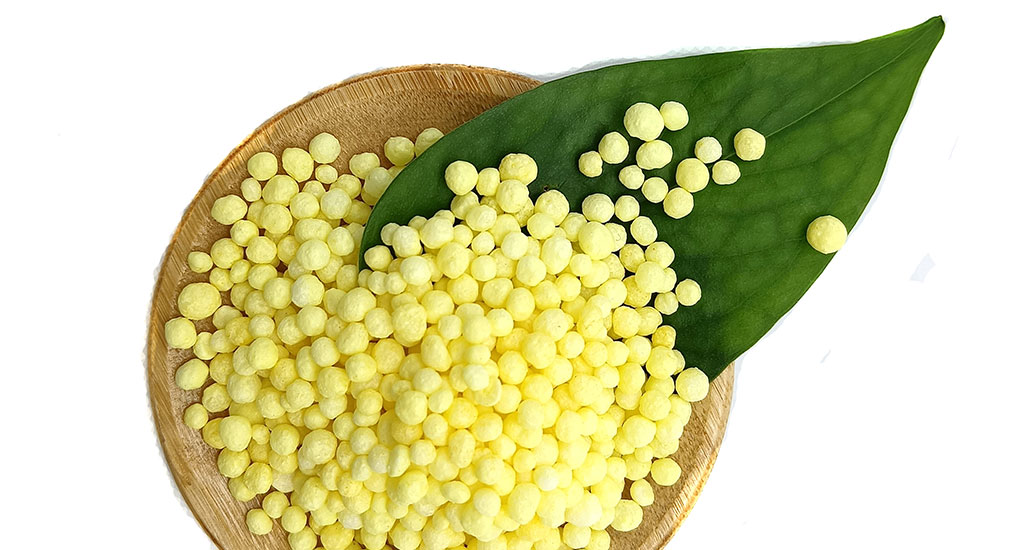
Granular Sulfur Nitrogen
Granular Sulfur Nitrogen is high-efficiency fertilizer containing nitrogen and Sulphur; its application provides high agronomical and economic effectiveness in growing the main crops.
Benefits
Plants Easily assimilate granular Sulfur Nitrogen, which helps dissolve difficult soluble phosphorus compounds and make them freely soluble, increasing its assimilability for plants.
Applications
Agricultural Fertilizer
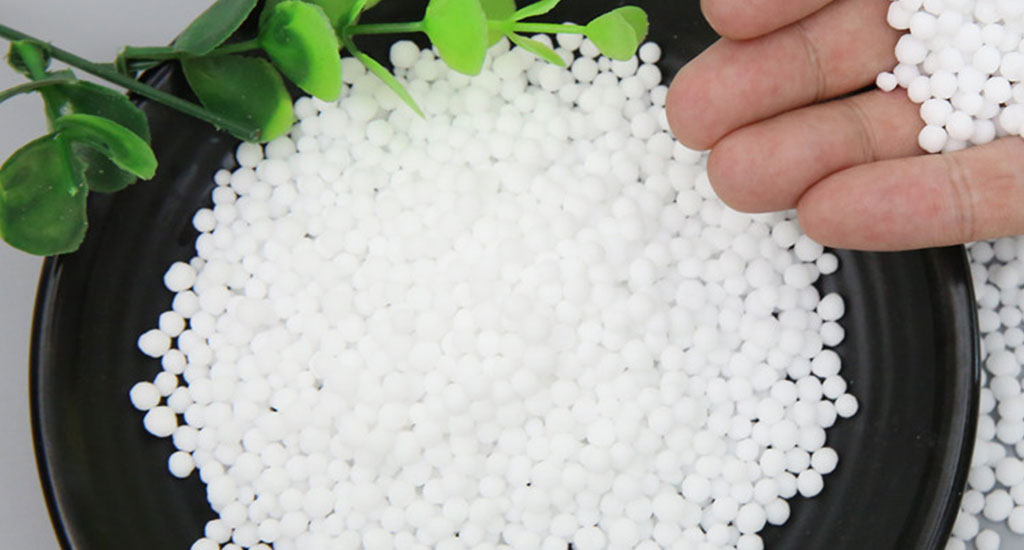
Granular Urea 46%
Nitrogen fertilizers, of which 46% urea fertilizer is one of the types, have played a very important role in increasing world food production in the last half-century. According to some statistics, it accounts for about 60% of global chemical fertilizer consumption. Nitrogen is one of the most important nutrients needed by crops and orchards, and according to some theories, water is the most important factor limiting plant growth. Urea, which has the highest amount of nitrogen (46%) among solid nitrogen fertilizers, is produced and marketed in two samples of granules and perils. For cases where the soil is acidic, this fertilizer is recommended.
Benefits
Production of high amounts of nitrogen for the plant and high yield compared to other artichoke fertilizers and cost-effective.
Storage due to lack of fire and explosion
Possibility of using as a spray and injection into the soil
Possibility of combination with other fertilizers (with ammonia phosphate, diammonium phosphate, superphosphates)
Applications
Agricultural Fertilizer
A variety of flowers and ornamental plants
Gardens
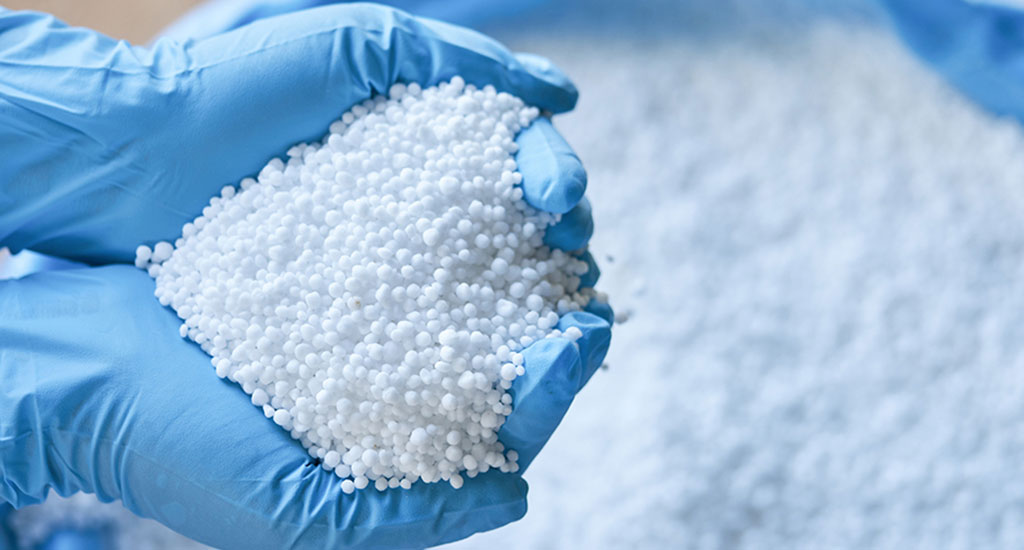
Prilled Urea 46%
Peril urea fertilizer, also known as sugar fertilizer, has a grain size of 1 to 2.4 mm and is smaller than the granular sample. Peril urea fertilizer is softer and less resistant than fine samples, but there is not much difference between them in terms of percentage of nitrogen and other chemical properties. For cases where the soil is acidic, this fertilizer is recommended.
Benefits
Production of high amounts of nitrogen for the plant and high yield compared to other artichoke fertilizers and cost-effective.
Storage due to lack of fire and explosion
Possibility of using as a spray and injection into the soil
Possibility of combination with other fertilizers (with ammonia phosphate, diammonium phosphate, superphosphates)
Applications
Agricultural Fertilizer
A variety of flowers and ornamental plants
Gardens
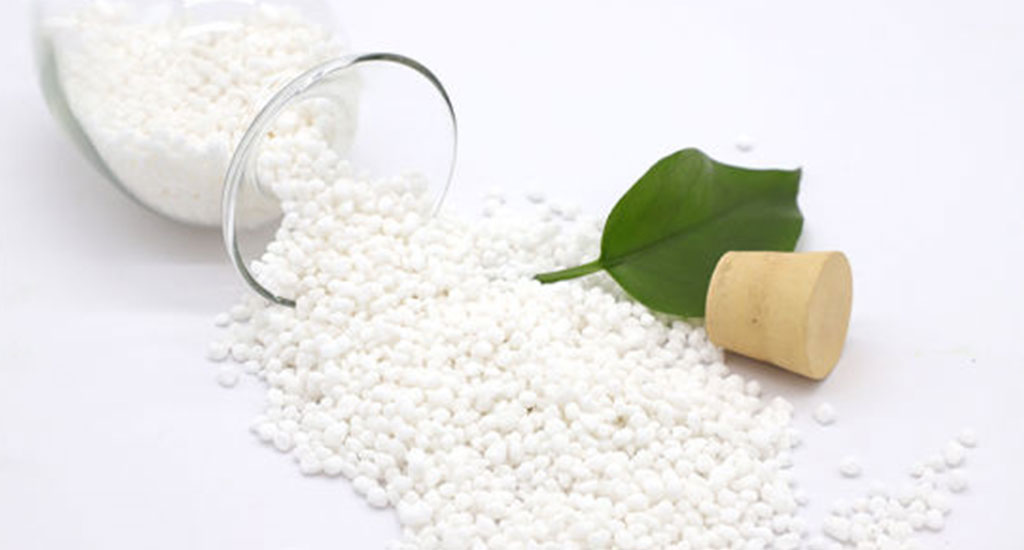
Ammonia
Ammonia, with the formula NH3, is a colorless, pungent, and unpleasant odor gas compound consisting of nitrogen and a hydrogen atom. Although it does not contain OH- ions, it shows weak base properties in water. An ammonia molecule consists of one nitrogen and three hydrogen atoms.
It is used in the first stage to synthesize substances such as ammonia, fertilizer, medicine, dye, and perfume. Ammonia is a toxic substance for living things; care should be taken. Substances sold under the name of ammonia on the market are ammonium hydroxide, an aqueous solution of ammonia.
Applications
It is used in the first stage to synthesize substances such as ammonia, fertilizer, medicine, dye, and perfume.