LPG
Liquefied Petroleum Gas
Please provide us with some information for us to help you. Your request will be forwarded to the Sales Manager for your area.
Liquefied petroleum gas (LPG), also called LP gas, is any of several liquid mixtures of the volatile hydrocarbons propene, propane, butene, and butane. It was used as early as 1860 as a portable fuel source, and its production and consumption for domestic and industrial use have expanded. A typical commercial mixture may also contain ethane, ethylene, and a volatile mercaptan, an odorant added as a safety precaution.
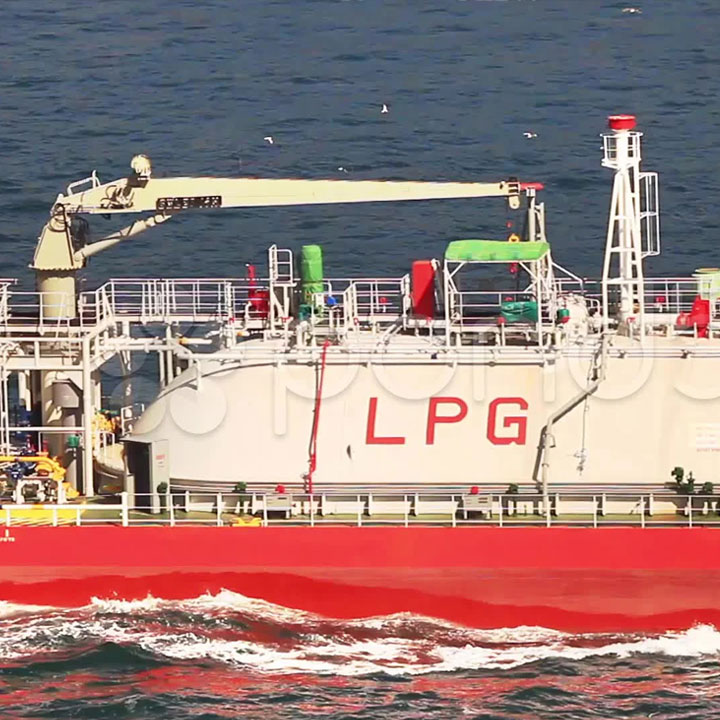
Liquefied petroleum gas (LPG) is recovered from “wet” natural gas (gas with condensable heavy petroleum compounds) by absorption. The recovered product has a low boiling point and must be distilled to remove the lighter fractions and then treated to remove hydrogen sulfide, carbon dioxide, and water. The finished product is transported by pipeline and by specially built seagoing tankers. Transportation by truck, rail, and barge has also developed, particularly in the United States.
LPG reaches the domestic consumer in cylinders under relatively low pressures. The largest part of the LPG produced is used in central heating systems, and the next largest is as raw material for chemical plants. LPG is commonly used as fuel for gas barbecue grills, gas cooktops and ovens, gas fireplaces, and portable heaters. In Europe, LPG water heaters are common. It is also used as an engine fuel and for backup generators. Unlike diesel, LPG can be stored nearly indefinitely without degradation. Compare liquefied natural gas.
You can get in touch with our experts in the business unit for price inquiries, advice, and purchase. Grennerworld Commerce is ready to support you in supplying your raw materials. To find out the price and order, you can contact our expert.